
World Bank Urges Private Investment in Liberia’s Fisheries Sector
MONROVIA — The World Bank is urging a surge in private sector investment in Liberia’s fisheries and aquaculture sector, positioning it as a critical frontier for job creation, revenue generation and long-term economic growth.
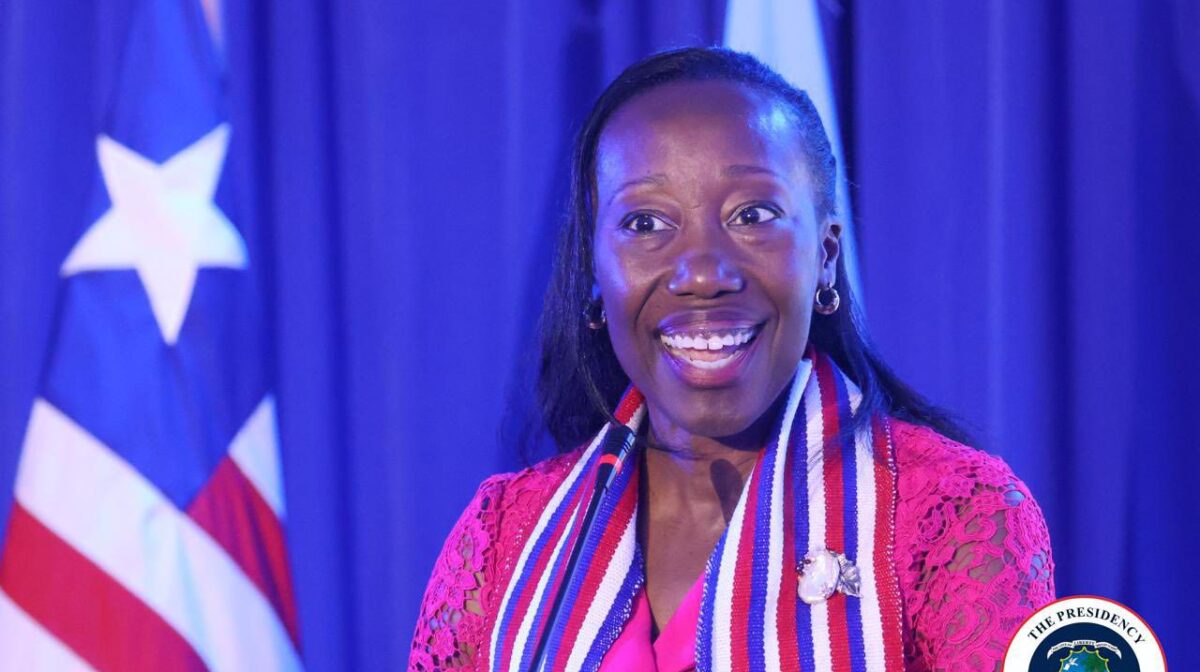
Speaking at the opening of Liberia’s first National Fisheries Investment Conference, World Bank Liberia Country Manager Georgia Wallen said unlocking private capital is essential to transforming the sector into a competitive and sustainable pillar of the national economy.
“Investments are critical because they create income for the people, drive growth and build long-term wealth for the country,” Wallen said. “They also provide incentives for the sustainable management of fisheries resources and aquaculture.”
Sector With Untapped Potential
Liberia’s fisheries sector remains one of the country’s most underdeveloped but high-potential industries, supporting tens of thousands of livelihoods, particularly in coastal communities, while contributing significantly to food security.
Despite its vast marine resources along the Atlantic coastline, the sector has historically been constrained by weak infrastructure, limited financing, low productivity and gaps in governance.
The conference, which brought together government officials, development partners, private investors and academic institutions from over 20 countries, was designed to reposition fisheries and aquaculture as viable and competitive investment destinations.
World Bank-Backed Reforms
Wallen said the World Bank has been supporting Liberia since 2021 through a people-centered fisheries agenda that prioritizes artisanal fishers, women, youth and coastal communities.
At the core of that effort is the Liberia Sustainable Management of Fisheries Project, which aims to strengthen governance, improve productivity and attract private investment into the sector.
She outlined five key intervention areas intended to make the sector “investment-ready.”
The first focuses on human capital development, including support to the University of Liberia to establish a modern fisheries program to train the next generation of professionals.
The second targets stakeholder participation, with support for aquaculture farmers and women entrepreneurs through training, grants and improved access to finance and sustainable practices.
Catalytic Investments
Wallen highlighted several catalytic initiatives designed to stimulate private sector interest, including the development of the Klay hatchery, the introduction of Liberia’s first semi-industrial fishing vessel, Sea King, and an incubator program to support artisanal canoe operators.
She said these investments are intended to demonstrate commercial viability while strengthening value chains across the sector.
Digital and Institutional Strengthening
The World Bank is also supporting digitization within the National Fisheries and Aquaculture Authority (NaFAA), including the creation of a one-stop service center for fishers and processors, alongside improved monitoring, control and surveillance systems.
These reforms are aimed at enhancing transparency, reducing illegal fishing and strengthening regulatory oversight—key conditions for attracting credible private investment.
Strategic Framework for Growth
Wallen emphasized the need for a comprehensive fisheries development strategy, backed by an aquaculture roadmap and a clear public-private partnership framework.
“These efforts send a clear signal that Liberia is ready to build a well-governed, commercially viable and environmentally sustainable fisheries economy,” she said.
Jobs and Economic Impact
She noted that expanded investment in the sector could generate significant employment—particularly for women and young people—while boosting domestic revenue and export potential.
With global demand for fish and aquaculture products rising, Liberia is seeking to position itself as a competitive player in regional and international markets.
Outlook
The World Bank Country Manager commended the leadership of NaFAA Director General J. Cyrus Saygbe Sr. and urged stakeholders to capitalize on the momentum generated by the conference.
The National Fisheries Investment Conference is expected to serve as a platform for forging partnerships between government and investors, with the broader goal of accelerating sustainable development in Liberia’s fisheries sector.
